The Fake Natty Problem: Steroids, SARMs, TRT, and the Truth About Gym Culture
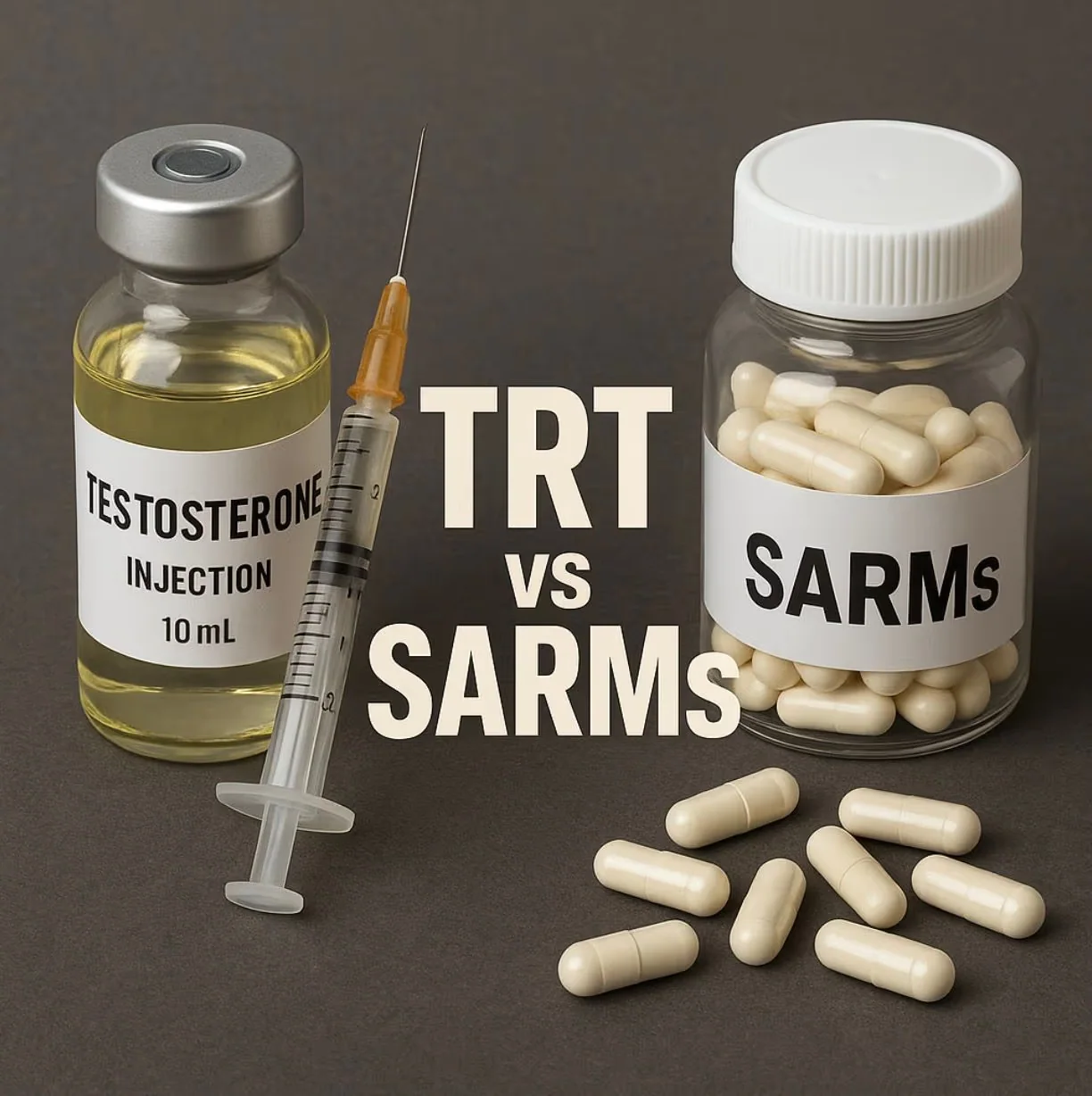
The Fake Natty Problem: Why Steroids Are Destroying Realistic Strength Training
The biggest problem in strength training is not steroids.
It is pretending steroids are chicken, rice, creatine, and discipline.
When enhanced bodies are sold as natural results, beginners do not just buy workout plans. They buy a lie. They compare their normal progress to someone else’s chemically enhanced physique, then wonder why they are not gaining muscle fast enough, staying shredded year-round, or recovering like a machine after brutal training sessions.
That is the fake natty problem.
A “fake natty” is someone who claims to be natural while secretly using steroids, SARMs, aggressive hormone manipulation, or other performance-enhancing drugs. The issue is not only personal drug use. The bigger issue is deception, marketing, unrealistic standards, and selling false hope to people who do not understand what is naturally possible.

Anabolic-androgenic steroids are appearance and performance-enhancing drugs used to improve appearance, build muscle, and increase performance. They are not the same thing as basic supplements like creatine or protein powder. nida.nih.gov
This article is not a steroid guide.
It is a reality check.
1. What the Fake Natty Problem Actually Is
The fake natty problem starts when enhanced physiques are marketed as natural results.
A beginner sees a shredded gym influencer with capped shoulders, round traps, full muscles, visible abs, and low body fat all year. The influencer says the secret is “hard work,” “discipline,” “my program,” or “this supplement stack.”
The beginner buys in.
Then six months later, that beginner feels like a failure.
But the failure was never the beginner’s work ethic. The failure was the standard they were sold.
Natural progress is slower. It is still powerful, but it has limits. You can build muscle naturally. You can get lean naturally. You can develop an athletic, impressive body naturally. But you probably will not look like an enhanced physique model who is using performance-enhancing drugs, dieting aggressively, shooting under perfect lighting, and posting only their best angles.
That is the trap.
The fake natty does not just lie about their own body. They distort the entire strength training standard.
They make normal progress look weak.
They make sustainable training look boring.
They make basic nutrition look insufficient.
They make beginners think they need extreme methods to get respectable results.
This is where gym culture gets damaged. When the loudest physiques are not honest about the tools used to build them, the average lifter loses perspective.
The truth is simple:
Enhanced progress and natural progress are not the same game.
2. Why Steroids, SARMs, and TRT Are Not the Same as “Hard Work”
Hard work matters.
Training matters.
Nutrition matters.
Sleep matters.
But performance-enhancing drugs change the environment your body is working in. That does not mean enhanced lifters do not train hard. Many do. But it does mean their recovery, muscle-building potential, and ability to hold size while lean may be different from a natural lifter’s.
That matters when they sell advice.
Steroids can carry serious health risks. Mayo Clinic notes that anabolic steroid use can cause side effects such as breast growth in men, testicular shrinkage, infertility, prostate enlargement, and other serious problems. mayoclinic.org
SARMs are another major issue because they are often promoted online as “safer” alternatives. The FDA warns that SARMs are not FDA-approved and are often promoted to teens and young adults through social media as quick ways to improve appearance, gain muscle, or increase athletic performance. fda.gov
The FDA has also warned that some bodybuilding products marketed for muscle and strength may illegally contain steroids, steroid-like substances, or SARMs, with potential serious health risks including liver injury. fda.gov
Then there is TRT.
Real testosterone replacement therapy is a medical treatment for diagnosed low testosterone or hypogonadism. That is not the same conversation as someone using hormones casually to look jacked for social media.
But online, everything gets rebranded.
Steroids become “optimization.”
SARMs become “research compounds.”
TRT becomes “just getting back to normal.”
Extreme enhancement becomes “discipline.”
That is why the fake natty problem is so toxic. It hides the truth behind clean branding.
3. How Fake Nattys Damage Beginners
The beginner gets hit hardest.
A new lifter walks into the gym with real motivation. They train for three months. They get stronger. They gain a little muscle. They lose some fat. Their posture improves. Their confidence goes up.
That is a win.
But instead of seeing it as a win, they compare themselves to enhanced gym influencers and think they are behind.
That comparison creates bad decisions.
They program-hop because their current plan feels too slow.
They cut calories too aggressively because they want to look shredded.
They train too much because they think more pain means more progress.
They buy useless supplements because someone promised a transformation.
They start considering SARMs or steroids before they have even mastered basic training.
This is the hidden cost of fake natty culture:
It makes beginners disrespect the basics before the basics have had time to work.
A natural lifter needs patience, progressive overload, consistent protein, smart calories, sleep, and years of repeated effort. That is not sexy, but it works.
The strength training industry hates that message because patience is harder to sell than a shortcut.
But the body does not care about marketing.
You cannot fake consistency.
You cannot out-supplement bad programming.
You cannot build a serious natural physique with random workouts and no progression.
You cannot compare your year one to someone else’s enhanced year eight.
The real flex is building a body you can actually keep.
How to Integrate: Build a Real Natural Physique Without Falling for the Lie
Here is the practical playbook.
First, train with progressive overload. Your workouts need structure. Track your lifts. Add reps, load, sets, or better execution over time. Stop training randomly and start training like your results matter.
Second, prioritize compound lifts. Squats, hinges, presses, rows, pull-ups, lunges, and loaded carries should form the base of your program. Machines and isolation work are useful, but they should support the main work, not replace it.
Third, eat enough protein. Most lifters do not need a magic supplement stack. They need enough total food, enough protein, and enough consistency. Protein supports muscle repair and growth, especially when paired with resistance training.
Fourth, stop chasing year-round shredded. Natural lifters usually do not look full, huge, and peeled 365 days a year. Getting lean is possible, but extreme leanness comes with trade-offs. Respect the difference between a realistic athletic body and a photoshoot body.
Fifth, protect your recovery. Sleep is not optional. Recovery is not weakness. If your joints hurt, your lifts are crashing, your mood is wrecked, and you are constantly exhausted, your plan is not hardcore. It is poorly managed.
Sixth, judge progress correctly. Track strength, measurements, photos, body weight trends, workout performance, energy, and consistency. The mirror matters, but it should not be your only scoreboard.
The natural route is not weak.
It is honest.
And honest progress compounds.
What You Need to Keep in Mind
Steroids are not the only problem.
The real problem is dishonesty.
If someone uses enhancement and admits it, at least the audience has context. But when someone sells an enhanced body as natural, they damage the trust of every beginner trying to build something real.
The gym should make people stronger, more confident, and more disciplined.
Fake natty culture does the opposite.
It makes people insecure, impatient, and suspicious of their own progress.
Here is the truth:
You can build an impressive body naturally.
You can get stronger naturally.
You can lose fat naturally.
You can look athletic naturally.
You can become the kind of person who trains hard, eats well, and carries confidence without pretending.
But you need realistic expectations.
Stop comparing yourself to bodies built with hidden tools. Stop buying programs from people who will not be honest about their methods. Stop thinking your progress is bad because it does not look like a manipulated Instagram transformation.
The best physique is not the one that gets the most likes.
It is the one you can build honestly, maintain consistently, and live inside without destroying your health or your confidence.
Want real results without fake shortcuts?
Train with structure. Eat with purpose. Recover like it matters. Track your progress. Give your body time to build.
The natural route is not fast.
It is earned.
FAQs
What does fake natty mean?
Fake natty means someone claims to be natural while secretly using steroids, SARMs, or other performance-enhancing drugs. The problem is not just the drug use. The problem is lying while selling workouts, supplements, coaching, or unrealistic expectations.
Are steroids always obvious?
No. Some enhanced lifters look extreme, but others look believable. You cannot always know from appearance alone. That is why honesty matters. The issue is not guessing who is enhanced. The issue is gym influencers selling guaranteed results without transparency.
Are SARMs safer than steroids?
SARMs are often marketed as safer alternatives, but the FDA warns that they are not FDA-approved and may be promoted online as quick ways to improve appearance, gain muscle mass, or increase athletic performance. (fda.gov) They should not be treated like normal supplements.
Is TRT the same as steroids?
Legitimate TRT is medical treatment for diagnosed low testosterone or hypogonadism. Recreational hormone use for physique enhancement is a different conversation. The problem is when people use the medical language of TRT to hide performance enhancement.
Can you build a great physique naturally?
Yes. But you need realistic expectations, structured training, enough protein, sleep, consistency, and time. Natural progress is slower than enhanced progress, but it is real, sustainable, and worth respecting.
Should beginners worry about steroids?
Beginners should worry more about mastering the basics first. Train consistently, learn proper form, follow a real program, eat enough protein, sleep well, and track progress. Do not let fake natty culture convince you that shortcuts are required before you have even built your foundation.
What is the biggest problem with fake nattys?
The biggest problem is false comparison. When enhanced gym influencers claim natural status, beginners compare their normal progress to an unrealistic standard. That leads to frustration, wasted money, poor training decisions, and sometimes dangerous shortcuts.
Sources
- National Institute on Drug Abuse: Anabolic steroids and appearance/performance-enhancing drugs
- FDA: Warning on SARMs among teens and young adults
- FDA: Bodybuilding products and potential risks
- Mayo Clinic: Performance-enhancing drugs and anabolic steroid risks