You Dont Need GLP-1s To Lose Fat
Do You Need GLP-1s to Build a Lean Body? No — You Need Training, Nutrition, and Sleep
GLP-1s are trending for weight loss, but they do not build muscle or discipline. Learn how to lose fat naturally with training, nutrition, sleep, and consistency.
GLP-1s are everywhere right now.
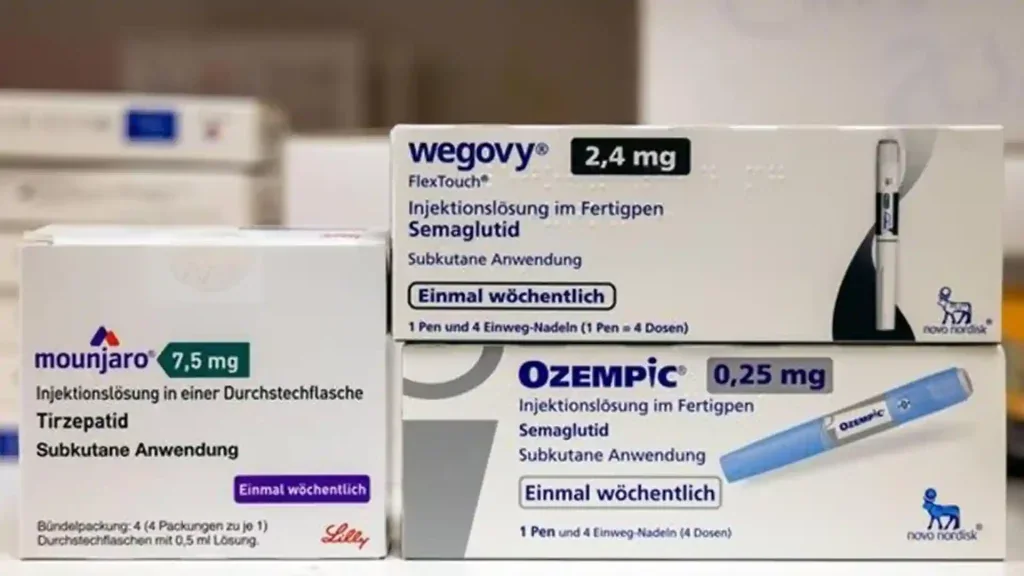
Ozempic. Wegovy. Mounjaro. Zepbound. The names are all over social media, clinics, podcasts, transformation pages, and weight-loss conversations. The promise sounds simple: reduce appetite, eat less, lose weight.
But here is the problem.
Losing weight is not the same as building a better body.
A smaller body is not automatically stronger. A lower scale number does not mean you built muscle. Appetite suppression does not replace discipline. And medication does not build the physique for you.
GLP-1 medications can help some people manage blood sugar, appetite, digestion, and body weight under medical supervision. Cleveland Clinic explains that GLP-1 agonists can help manage blood sugar, slow digestion, reduce food intake, reduce appetite, and increase fullness.
But if your goal is to lose fat, build muscle, look athletic, move better, and actually control your body, you do not start by chasing shortcuts.
You start with the system.
Proper training. Proper nutrition. Proper sleep. Repeated long enough to force the body to change.
Quick answer: You do not need GLP-1s to build a lean, strong, athletic body. GLP-1 medications may help some people reduce appetite and manage weight under medical supervision, but they do not replace strength training, protein, calorie control, daily movement, sleep, and consistency. If your goal is body composition — losing fat while building or preserving muscle — the foundation is still training, nutrition, and recovery.
This article is not medical advice, and it is not aimed at people who genuinely need medication for diabetes, obesity, or other health conditions under a doctor’s care. This is aimed at the shortcut mindset — the idea that you can skip the work and still build the body.
You cannot.
1. What GLP-1s Actually Do
GLP-1s are not muscle-building drugs.
They are not magic fat burners.
They are not physique medications.
GLP-1 stands for glucagon-like peptide-1. It is a hormone involved in appetite, digestion, blood sugar regulation, and fullness. GLP-1 medications mimic or act on that pathway to help some people eat less and manage weight.
That is why they are popular.
They attack one of the biggest problems in weight loss: appetite.
That is also why searches like “lose fat without Ozempic,” “natural alternatives to GLP-1,” “how to lose weight without Wegovy,” and “how to preserve muscle while losing weight” are becoming more relevant. People want the result, but many do not want to depend on medication unless they medically need it. That is where the real solution begins: a structured fat-loss system built around lifting, protein, calories, movement, and sleep.
GLP-1s may help with hunger control. But hunger control is only one piece of the puzzle.
GLP-1s do not teach you how to lift.
They do not build your chest, back, legs, shoulders, or glutes.
They do not improve your sleep habits.
They do not create discipline.
They do not fix years of bad nutrition.
They do not give you an athletic body.
Even the FDA’s approval language for Zepbound describes it as a medication for chronic weight management used in addition to a reduced-calorie diet and increased physical activity for eligible adults.
That point matters.
Even in the medical model, nutrition and movement are still part of the foundation.
So when people treat GLP-1s like the whole solution, they are missing the real game.
The goal should not be, “How do I get smaller?”
The goal should be:
How do I lose fat, keep muscle, build shape, improve performance, and stay in control long term?
That is a different standard.
And that standard requires training.
2. The Shortcut Mindset Is the Real Problem
The reason GLP-1s are getting so much attention is simple: people want the outcome without building the habits.
They want fat loss without food control.
They want muscle without progressive overload.
They want confidence without consistency.
They want transformation without standards.
That is why shortcuts sell.
But the body does not care about hype.
Your body responds to stimulus, nutrition, recovery, and repetition.
If you train properly, your body adapts.
If you eat properly, your body has the fuel and building blocks to change.
If you sleep properly, your body recovers and performs better.
If you repeat the process, your body has no choice but to transform.
Most people have never truly done the basics properly.
They say they train, but they do random workouts.
They say they eat healthy, but they do not hit protein.
They say they want fat loss, but they do not control calories.
They say they want muscle, but they never track their lifts.
They say nothing works, but they quit after three weeks.
That is not a body problem.
That is a system problem.
And this is where the fitness industry has lost people. Everyone is selling hacks, trends, injections, supplements, detoxes, and shortcuts. But the real answer is still the same:
Train hard. Eat with structure. Sleep like it matters. Repeat.
ACSM ranked Exercise for Weight Management as the #3 fitness trend for 2026, its highest position to date, and the trend now covers weight loss, maintenance, and muscle gain — not just scale weight.
That shift is important.
The conversation is no longer just about losing weight.
It is about body composition.
That means losing fat while preserving or building muscle.
And for that, you need resistance training.

3. The Organic Way Still Rules — But Only If You Do It Properly
The natural route is not weak.
The natural route is not outdated.
The natural route is not “just eat clean and do some cardio.”
The real organic method is a structured system built around progressive training, protein, calorie control, daily movement, recovery, and sleep.
That is how you lose fat and build muscle without depending on shortcuts.
You need strength training because muscle gives your body shape. Muscle is what makes fat loss look athletic instead of flat. Muscle improves how you move, how you carry yourself, and how your body performs.
You need proper nutrition because you cannot out-train chaos. If you want fat loss, you need calorie control. If you want muscle retention, you need enough protein. If you want performance, you need enough quality food to train hard.
You need sleep because recovery is where adaptation happens. Poor sleep makes training harder, hunger harder to control, discipline weaker, and recovery slower.
This is the foundation:
Progressive resistance training
You should be getting stronger over time. More reps, more load, better control, better range of motion, better execution, or better training density.
Protein at every meal
Protein supports muscle repair and helps you stay fuller while dieting.
Calorie control without starvation
Fat loss requires an energy deficit, but crash dieting destroys performance and makes consistency harder.
Daily movement
Walking, steps, and low-intensity activity help increase energy output without crushing recovery.
Sleep and recovery
Seven to nine hours of quality sleep should be treated like part of the program, not an optional extra.
This is not complicated.
But it does require standards.
That is what people are trying to skip.
And that is exactly why they keep bouncing from trend to trend.
How to integrate
Here is the simple blueprint.
Train strength 3–5 days per week.
Build your program around:
- Squats or leg press
- Deadlifts or hip hinges
- Lunges or split squats
- Rows
- Pull-downs or pull-ups
- Chest presses
- Shoulder presses
- Core work
- Loaded carries
Hit each major muscle group at least twice per week.
Eat protein at every meal.
Walk daily.
Use cardio as a support tool, not as punishment.
Track your lifts.
Track your body measurements.
Take progress photos.
Sleep properly.
Stop judging your entire transformation by scale weight alone.
If you are serious, follow a structured plan instead of guessing. That is exactly what we built inside our platform — training that tells you what to do, how to progress, and how to build a body that looks strong, performs well, and lasts.
Start your training system today inside our platform and build the body without chasing shortcuts.
Build the full system
If you want to do this properly, do not stop at this article.
Build the full foundation:
- Start with one of our beginner strength and conditioning training programs
- Learn how much protein you need to build muscle
- Follow our personalized and adaptive nutrition coaching system
- Track your training and progress inside our platform
The goal is not to know more.
The goal is to execute better.
What you need to keep in mind
GLP-1s are trending because people want weight loss faster.
But faster is not always better.
And weight loss alone is not the final goal.
The real goal is a body that is lean, strong, capable, and under your control.
Medication may be appropriate for some people under medical supervision. But for people chasing a better physique, better performance, and real body composition change, the foundation has not changed.
You need training.
You need nutrition.
You need sleep.
You need consistency.
You do not need to chase every trend to transform your body.
You need a system.
And once you build that system, you stop looking for shortcuts — because you become the result.
FAQ
What are GLP-1 medications?
GLP-1 medications mimic or act on a hormone involved in appetite, digestion, fullness, and blood sugar regulation. They are used for type 2 diabetes and, in some cases, chronic weight management under medical supervision.
Do you need GLP-1s to lose fat?
No, not if your goal is general fat loss and body composition. Fat loss can be achieved naturally through calorie control, strength training, daily movement, protein, sleep, and consistency. Some people may medically qualify for GLP-1 medications, but they are not required to build a lean, athletic body.
Can you build muscle while losing fat?
Yes, especially if you are newer to structured training, returning after time off, or currently carrying extra body fat. The key is resistance training, enough protein, controlled calories, progressive overload, and recovery.
What is the best natural alternative to GLP-1s for fat loss?
The best natural approach is not one thing. It is a system: strength training 3–5 days per week, high-protein meals, calorie control, daily walking, quality sleep, hydration, and consistent tracking.
Do GLP-1s build muscle?
No. GLP-1 medications do not build muscle. Muscle is built through resistance training, progressive overload, adequate protein, recovery, and time.